
The Allure of Casinos: Understanding Attraction
The world of casinos is a captivating realm that draws millions of visitors each year. The bright lights, sounds of ringing slot machines, and the thrill of chance create an environment that entices individuals from various backgrounds. This attraction can often be linked to the psychological concepts of escapism and reward-seeking behavior. For many, visiting a casino offers a temporary escape from the daily grind, providing a place where they can let loose and indulge in the thrill of real money online casinos while risking their money for the chance of a big win.
Moreover, casinos are designed to stimulate the senses, which plays a crucial role in how people engage with gaming activities. The strategic placement of games, the appealing décor, and the use of sensory cues are all crafted to enhance the player’s experience, heightening excitement and encouraging prolonged stay. This creates a psychological attachment, where the thrill becomes addictive, leading people to return in hopes of reliving that exhilarating rush.
The Role of Risk and Reward in Gaming Habits
At the core of casino gaming is the concept of risk and reward, which taps directly into the human psyche. Gamblers often find themselves motivated by the prospect of winning, a phenomenon explained by reinforcement theory in psychology. The possibility of a huge payday can overshadow the potential for loss, leading to a cycle of continued play despite negative outcomes. This is particularly evident in games of chance, such as slot machines or roulette, where the immediate feedback can create powerful emotional responses.
Additionally, the unpredictability of outcomes plays a vital role in maintaining player engagement. The randomness associated with games can create a sense of hope and excitement, as players are often just one spin or roll away from a significant victory. This unpredictability, coupled with the release of dopamine in the brain when wins occur, reinforces gambling behavior, making it difficult for individuals to walk away once they start playing.
The Impact of Social Influence on Gambling Behavior
Social dynamics significantly influence gambling habits, with many individuals participating in casino gaming as a social activity. The communal aspect of casinos—ranging from shared tables to socializing in lounges—can enhance the overall experience and encourage longer play. Group behavior can impact decision-making, leading individuals to take greater risks in the presence of others, often influenced by the group’s energy and excitement.
Furthermore, peer pressure can drive individuals to gamble more than they originally intended. Being surrounded by others who are winning or celebrating can amplify the urge to continue playing, often overriding an individual’s initial caution. This social reinforcement can create a sense of belonging and excitement, making the casino environment even more appealing.
Addiction and its Psychological Underpinnings
While many people enjoy gambling in moderation, for others, it can lead to problematic behaviors and addiction. Understanding the psychological foundations of gambling addiction is crucial for addressing this issue. Cognitive distortions, such as the illusion of control, can lead individuals to believe they have greater influence over random outcomes, perpetuating their gambling habits despite repeated losses.
Moreover, emotional factors like anxiety and depression often intersect with gambling behavior. Individuals may turn to casinos as a form of coping mechanism, attempting to escape negative feelings or life events. This interplay of emotions and gambling can create a vicious cycle, where gambling becomes both a source of temporary relief and long-term distress.
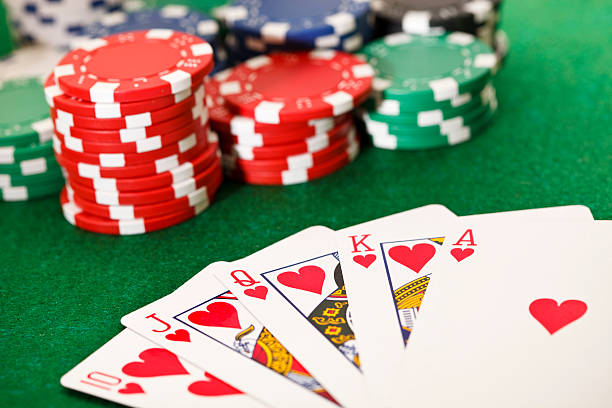
Website Focus: Promoting Responsible Gambling
The exploration of casino gaming habits not only highlights the psychological underpinnings but also emphasizes the importance of responsible gambling practices. In light of the potential for addiction and negative consequences, it is vital for both casinos and players to foster an environment that encourages safe gambling behavior. This can include clear communication of risks, access to support resources, and promoting self-regulation among players.
Websites dedicated to educating individuals about gambling habits can play a significant role in raising awareness. By providing information on responsible gaming strategies, encouraging self-assessment tools, and offering connections to support services, these platforms can help mitigate the adverse effects of gambling while enhancing the enjoyment for those who partake in this popular pastime.