Return to Player (RTP) is a critical concept in the realm of online casinos, representing the percentage of wagered money that a specific game is programmed to return to players over time. This metric serves as a key indicator of a game’s potential profitability for winzter players and is an essential factor in the decision-making process when choosing which games to play. Understanding RTP can significantly enhance a player’s gaming experience and strategy.
RTP is typically expressed as a percentage, with higher percentages indicating a better return for players. For instance, a slot machine with an RTP of 96% is designed to return $96 for every $100 wagered, on average, over an extended period. It is crucial to note that RTP is calculated over a substantial number of spins or hands, which means individual gaming sessions can differ widely from this average. The RTP value does not guarantee that a player will win or lose a specific amount but rather indicates the long-term expected return.
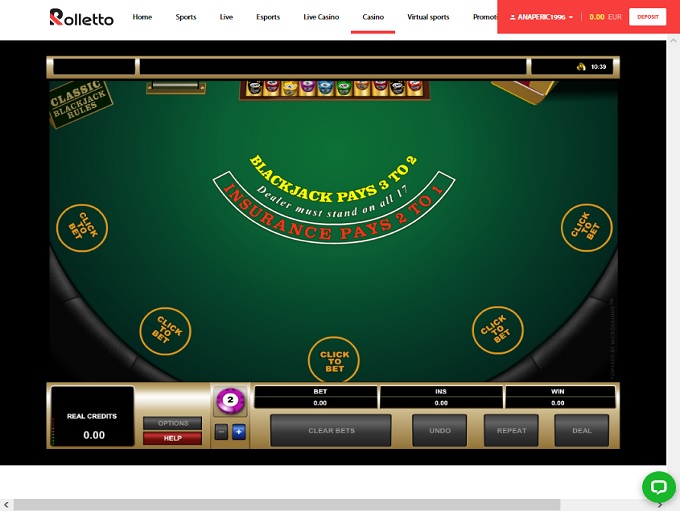
Different types of games exhibit varying RTP rates. For example, table games such as blackjack and video poker often have higher RTP percentages compared to slot machines. This is due to the element of skill involved in these games, which allows players to make strategic decisions that can influence the outcome. Conversely, slot machines are primarily games of chance, and while they can offer higher jackpots, their RTP can vary significantly depending on the game design and volatility.
The concept of RTP is closely related to the house edge, which is the casino’s built-in advantage over the player. The house edge is the complement of RTP; for example, if a game has an RTP of 95%, the house edge is 5%. Understanding this relationship helps players to gauge how much of their money is expected to be retained by the casino over time.
It is important for players to research and compare RTP rates across different games and casinos. Many online casinos provide this information in their game descriptions or help sections. Players can also find third-party websites that aggregate RTP data for various games, helping them make informed choices about where to invest their money.
While RTP is a valuable metric, players should also consider other factors when selecting games. Volatility, or variance, is another crucial aspect that affects gameplay. High volatility games may have lower RTPs but can offer larger payouts, while low volatility games tend to provide more frequent but smaller wins. Understanding both RTP and volatility can help players align their gaming preferences with their risk tolerance and bankroll management strategies.
In conclusion, RTP is a fundamental concept in online casinos that reflects the long-term payout potential of games. It serves as a guide for players to assess their chances of winning and make informed decisions about their gaming activities. By understanding RTP and its implications, players can enhance their overall gaming experience, optimize their strategies, and potentially increase their chances of success in the vibrant world of online casinos. As the online gaming industry continues to evolve, the importance of RTP remains a cornerstone of responsible and informed gambling practices.